

Key Takeaways
What Plant-Forward Actually Means
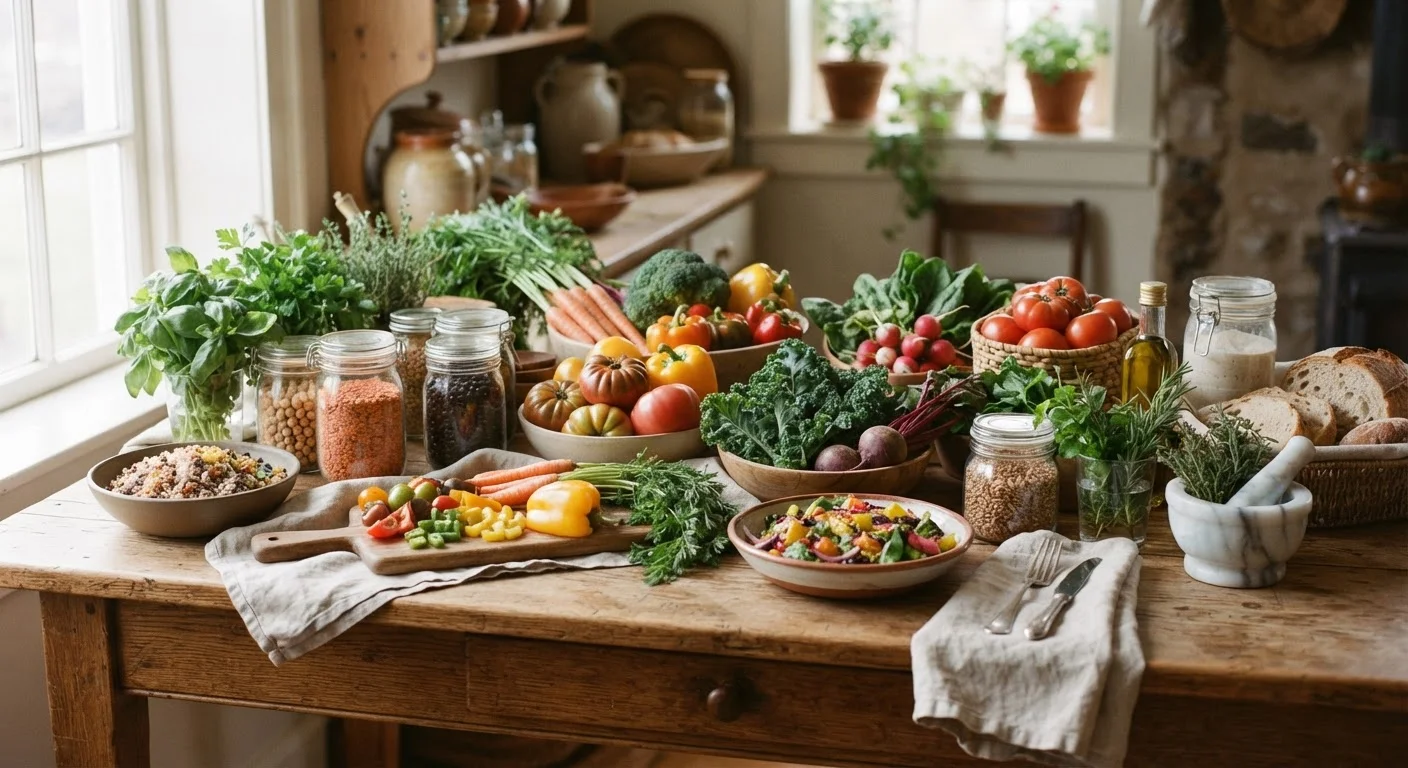
The term plant-forward (sometimes called plant-based) describes an eating pattern in which vegetables, fruits, legumes, whole grains, nuts, and seeds make up the majority of what you eat - without necessarily excluding all animal products. It's a flexible framework, not a rigid rulebook. This distinction matters because it removes the pressure of an all-or-nothing commitment and makes gradual, sustainable change far more realistic.
Research consistently associates higher plant food intake with a range of health benefits, including support for cardiovascular health, digestive function, and healthy body weight - though outcomes depend on overall dietary quality and individual factors. For a deeper look at how plant-based and omnivore diets compare nutritionally, see our comparison of plant-based and omnivore nutritional profiles.
The shift toward more plants doesn't require a dramatic lifestyle overhaul. In fact, dramatic overhauls are often what cause well-intentioned changes to stall. The approach outlined here is designed to be incremental, practical, and adaptable to real life.
Start With Foods You Already Enjoy
The easiest plant-forward shifts happen around meals you already like. Focus on familiar recipes first and expand your repertoire gradually. Enjoyment is not optional - it's one of the strongest predictors of whether a dietary change sticks long term. For broader guidance on balancing pleasure and nutrition, see this practical framework.
How to Make the Transition Step by Step
The following steps are designed to be followed at your own pace. Some readers may move through them in a few weeks; others may spend a month or more on a single step. Both approaches are valid. What matters is that each change feels manageable before the next one is introduced.
What you will need
A weekly meal planner or notebook
Helps you map out which meals to shift plant-forward each week without feeling overwhelmed.
Kitchen staples: canned legumes, whole grains, frozen vegetables
Affordable, convenient plant-based ingredients that reduce the effort required for daily cooking.
Nutrition tracking app (e.g., general food diary)
Useful for monitoring nutrient intake when reducing animal products, particularly protein and key micronutrients.
Take stock of what you already eat
Before changing anything, spend a few days observing your current meals without judgment. Notice where animal proteins appear, which vegetables you already enjoy, and which meals could realistically include more plant-based ingredients. This baseline awareness prevents unnecessary disruption and reveals easy wins.
Choose one or two meals per week to shift
Rather than rethinking your entire diet, identify one or two regular meals that lend themselves naturally to plant-forward swaps - pasta dishes, tacos, soups, or stir-fries are common starting points. Replace or reduce the meat in those specific meals with legumes, tofu, tempeh, or additional vegetables. Build from there over weeks, not days.
Build your plant protein repertoire
Protein is the nutrient most people worry about when reducing animal foods. Lentils, chickpeas, edamame, tofu, tempeh, and a wide range of beans are all protein-rich, affordable, and versatile. Pair them with whole grains - rice, quinoa, or whole-wheat bread - to support a broad amino acid intake across the day. You don't need to combine proteins at every meal, but variety throughout the day matters.
Plan for key micronutrients
As plant foods become a larger share of your diet, pay particular attention to iron (found in lentils, spinach, and fortified cereals), calcium (leafy greens, fortified plant milks, tofu), and vitamin B12, which is found almost exclusively in animal products and fortified foods. If your diet reduces animal foods substantially, speak with a healthcare provider about whether a B12 supplement is appropriate for you. This is general information - personal supplementation decisions require professional guidance.
Restock your pantry incrementally
A plant-forward pantry doesn't need to be built overnight. Each grocery run, add one or two new staples: a bag of red lentils, a jar of tahini, a new whole grain. Over several weeks, you'll accumulate a versatile base without a large upfront investment. Canned and frozen plant foods are nutritionally comparable to fresh and are often more practical for busy households.
Allow flexibility and avoid all-or-nothing thinking
Plant-forward eating is a spectrum, not a binary. Eating more plants on most days is beneficial regardless of whether you also include animal products. Research consistently links higher plant food intake with positive health associations - the goal is direction, not perfection. If a week doesn't go as planned, simply return to your usual approach at the next meal. Sustainable habits are built by consistency over time, not rigidity on any given day.
Special Populations: Seek Professional Guidance
If you are pregnant, breastfeeding, raising young children, managing a chronic condition, or over 65, dietary shifts - even gradual ones - should be discussed with a registered dietitian or your healthcare provider. Nutrient needs differ significantly across life stages and health conditions, and general guidance may not apply to your individual situation.
This Is General Information, Not Medical Advice
The guidance in this article is for educational purposes only and does not constitute personalized medical or nutritional advice. Individual nutritional needs vary considerably. Always consult a qualified healthcare professional or registered dietitian before making significant changes to your diet, especially if you have a diagnosed health condition.
If you're navigating this shift alongside a recent health diagnosis, the principles of gradual, evidence-informed change are especially relevant. Our article on approaching lifestyle changes after a chronic diagnosis offers complementary guidance for that context.
For those building broader healthy habits, the Daily Healthy Habits hub offers a range of practical, evidence-informed routines to support long-term wellbeing.
This article is for informational purposes only and does not constitute medical or nutritional advice. Please consult a qualified healthcare professional for guidance specific to your health needs.