

Key Takeaways
Dietary Fibre
Dietary fibre refers to the parts of plant foods that your body cannot fully digest or absorb. Unlike fats, proteins, and carbohydrates that break down and enter the bloodstream, fibre passes largely intact through the stomach, small intestine, and colon. This journey has meaningful effects on digestion, blood sugar, cholesterol, and gut health.
Fibre is classified into two main types: soluble fibre (which dissolves in water and forms a gel-like substance) and insoluble fibre (which does not dissolve and adds bulk to stool). Most plant foods contain a mix of both.
Why Fibre Matters Beyond Digestion
Fibre has long been associated with keeping digestion regular, but its role in overall health extends considerably further. Research consistently links higher fibre intake to reduced risk of cardiovascular disease, type 2 diabetes, colorectal cancer, and improved gut microbiome diversity. Yet surveys of US dietary habits repeatedly show most adults consume far less fibre than recommended.
Understanding what fibre actually does inside the body - and where to find it reliably - is one of the most practical steps anyone can take toward a healthier eating pattern. As explored in our guide to dietary patterns, no single nutrient works in isolation; fibre is most effective within a varied, plant-forward diet.
~5%
US adults meeting daily fibre recommendations
Research published in the American Journal of Lifestyle Medicine estimates fewer than 1 in 20 US adults meets recommended daily fibre intake.
25-38g
Recommended daily fibre intake for adults
The Dietary Guidelines for Americans specify 25 g/day for women and 38 g/day for men based on a 2,000-calorie reference diet.
~19%
Reduced risk of cardiovascular events
A large meta-analysis in The Lancet found that higher dietary fibre intake was associated with meaningful reductions in cardiovascular disease risk.
Soluble vs. Insoluble Fibre: What Each Type Does
Soluble fibre dissolves in water to form a viscous gel in the digestive tract. This gel slows the rate at which glucose enters the bloodstream, which supports more stable blood sugar levels after meals. It also binds to bile acids - compounds made from cholesterol - and escorts them out of the body, which can contribute to lower LDL cholesterol over time. Oats, barley, apples, citrus fruits, and legumes are rich in soluble fibre.
Insoluble fibre does not dissolve in water. Instead, it adds bulk and weight to stool, speeding its passage through the intestines and reducing constipation. Whole wheat, bran, nuts, and many vegetables provide abundant insoluble fibre.
A subset of soluble fibre called prebiotic fibre deserves special mention. Gut bacteria ferment these fibres - found in foods like garlic, onions, leeks, asparagus, and chicory root - producing short-chain fatty acids. These compounds help nourish the intestinal lining and are associated with reduced systemic inflammation.
Fibre and the Gut Microbiome
The trillions of bacteria residing in the large intestine play a significant role in how dietary fibre affects health. Fermentable fibres feed beneficial bacterial species, which in turn produce short-chain fatty acids like butyrate. Butyrate serves as the primary energy source for colonocytes (colon lining cells) and is associated with lower levels of intestinal inflammation. A diet consistently low in fibre can reduce microbial diversity over time, which emerging research links to broader health consequences beyond digestion.
The Most Reliable Everyday Fibre Sources
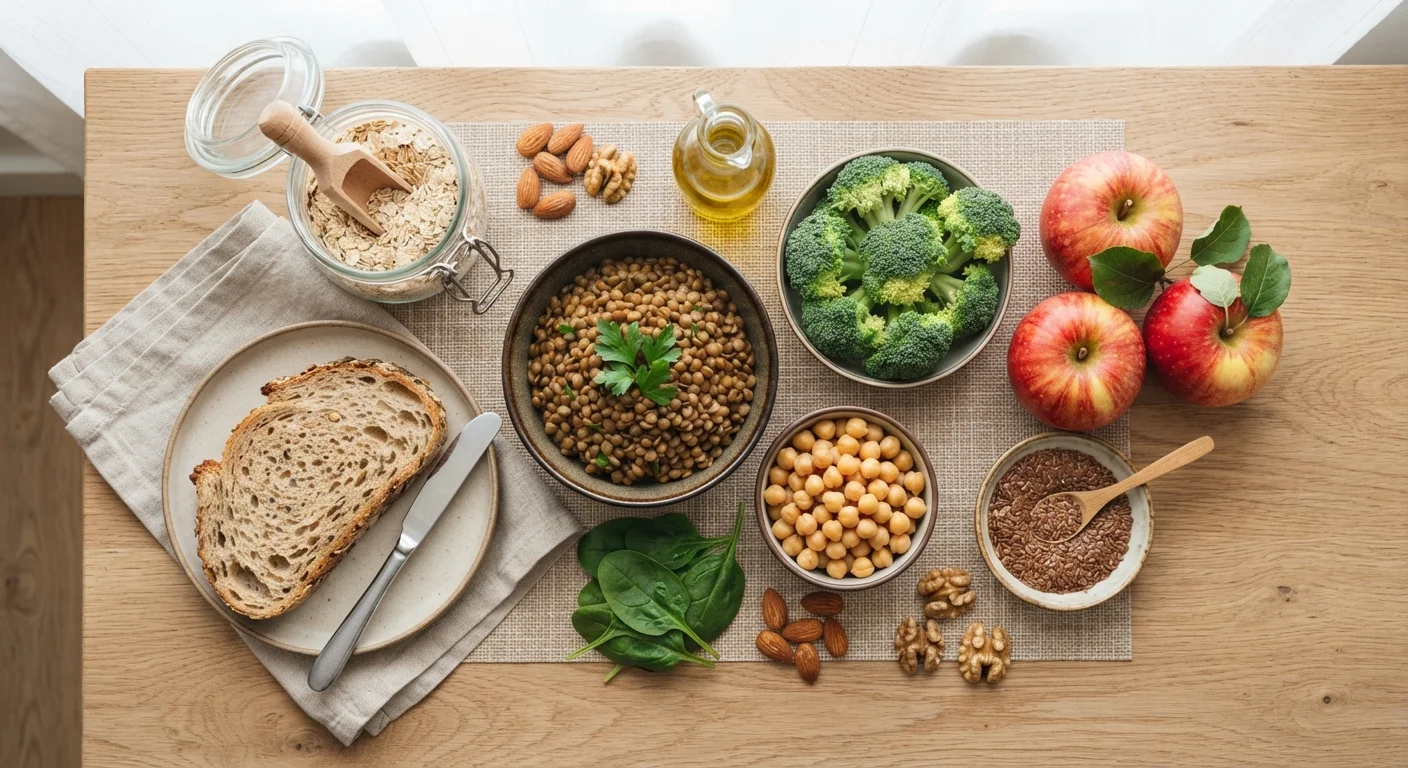
No exotic or expensive foods are required to meet your daily fibre needs. The most dependable sources are widely available and versatile:
- Legumes: One cup of cooked lentils provides approximately 15 grams of fibre. Chickpeas, kidney beans, and black beans are comparably rich.
- Whole grains: Oats, barley, whole wheat bread, and brown rice deliver meaningful fibre alongside B vitamins and minerals.
- Vegetables: Broccoli, carrots, Brussels sprouts, and artichokes are standout sources among common vegetables.
- Fruits: Pears, raspberries, apples (with skin), and avocados provide both soluble and insoluble fibre.
- Nuts and seeds: Chia seeds, flaxseeds, and almonds are compact, fibre-dense options easily added to meals.
If your diet currently includes few of these foods, you may want to review our article on signs your diet might be missing key nutrients to understand what nutritional gaps can look like in practice.
Build Up Gradually for Digestive Comfort
If you are not used to eating much fibre, aim to increase your intake by around 3-5 grams per week rather than making large changes all at once. This allows your gut bacteria and digestive system to adjust smoothly. Pairing fibre-rich meals with plenty of water makes the transition more comfortable and effective.
How to Increase Fibre Intake Practically
Sudden large increases in fibre intake can cause bloating and gas, as the gut microbiome needs time to adapt. A gradual approach - adding one or two higher-fibre foods each week - is generally more comfortable and sustainable.
Practical strategies include swapping refined grains for whole grain versions, adding a handful of legumes to soups or salads, and keeping fruit with skin as a snack rather than juice. Drinking adequate water throughout the day is equally important, since fibre absorbs fluid as it moves through the digestive tract.
Building consistent fibre-rich habits fits naturally within the broader principles of evidence-based healthy eating patterns. The goal is not perfection on any single day, but a steady shift in the overall composition of your diet over time.
This article is for general informational and educational purposes only and is not a substitute for professional medical or dietary advice. Consult a qualified healthcare provider or registered dietitian for guidance tailored to your individual health needs.