

Key Takeaways
What Is Epilepsy?
Epilepsy is a chronic neurological disorder characterized by a persistent predisposition to generate recurrent, unprovoked seizures. A seizure occurs when a sudden surge of abnormal electrical activity in the brain temporarily disrupts normal function. Importantly, a single seizure does not constitute epilepsy - the condition is generally defined as having had two or more unprovoked seizures occurring more than 24 hours apart, or one unprovoked seizure with a high likelihood of recurrence based on clinical findings.
Epilepsy is far more common than many people realize. According to the Centers for Disease Control and Prevention (CDC), approximately 3.4 million Americans live with active epilepsy. It can develop at any age and affects people of all backgrounds. While some people achieve long-term remission, others manage it as a lifelong condition.
3.4M
Americans living with active epilepsy
According to the Centers for Disease Control and Prevention (CDC), epilepsy is one of the most common neurological conditions in the United States.
~70%
People who can achieve seizure control with medication
The World Health Organization (WHO) estimates that approximately 70% of people with epilepsy could become seizure-free with appropriate anti-seizure medication.
50%
Cases with no identifiable structural cause
In roughly half of all epilepsy cases, no definitive structural or metabolic cause is found, pointing to genetic or idiopathic factors.
The condition's impact extends well beyond the seizures themselves. Cognitive effects, emotional health, social participation, and independence can all be meaningfully affected - which is why understanding epilepsy as a whole-person experience is essential.
Types of Seizures and Epilepsy Syndromes
Not all seizures look alike. The International League Against Epilepsy (ILAE) classifies seizures primarily by where they begin in the brain and how awareness is affected during the event.
- Focal onset seizures begin in one area of the brain. They may occur with retained awareness or with impaired awareness. Some spread to become bilateral tonic-clonic seizures.
- Generalized onset seizures involve both hemispheres from the start. Subtypes include tonic-clonic (formerly called grand mal), absence, myoclonic, atonic, and tonic seizures.
- Unknown onset seizures is the classification used when the beginning of the seizure cannot be determined.
Beyond individual seizure types, clinicians also identify epilepsy syndromes - patterns that combine seizure type, age of onset, EEG findings, and other features. Examples include juvenile myoclonic epilepsy, Lennox-Gastaut syndrome, and temporal lobe epilepsy. Identifying a syndrome guides treatment decisions and helps predict long-term outcomes.
Keep a detailed seizure diary from the moment of diagnosis - note the time, duration, potential triggers, and recovery period for every event. This record becomes one of the most valuable tools your neurologist has for refining your treatment plan.
Accurate longitudinal seizure data helps clinicians identify patterns, assess medication effectiveness, and determine whether a diagnosis may need to be reconsidered.
If a witness is present during a seizure, encourage them to time the event and note observable details rather than restrain the person. That description - conveyed to your medical team - often carries diagnostic weight that no test can replicate.
Clinical seizure classification relies heavily on eyewitness accounts, particularly when the person experiencing the seizure has impaired awareness or no recollection of the event.
Causes and Risk Factors
For about half of all people with epilepsy, no definitive structural or metabolic cause is identified - this is referred to as idiopathic or genetic epilepsy, where inherited factors influence brain excitability. When a cause is identified, it typically falls into one of several categories:
- Structural
- Brain malformations, tumors, stroke, or traumatic brain injury (TBI) can alter normal electrical signaling.
- Infectious
- Conditions such as meningitis, encephalitis, or neurocysticercosis can lead to seizure disorders.
- Metabolic
- Imbalances in electrolytes, glucose, or certain enzymes may trigger or contribute to epilepsy.
- Immune-mediated
- Autoimmune encephalitis, where the immune system mistakenly attacks brain tissue, is an increasingly recognized cause.
Common triggers - factors that can provoke seizures in someone already predisposed - include poor sleep, psychological stress, alcohol use, and missed medication doses. Triggers vary significantly between individuals and are not causes of epilepsy itself.
Diagnosis: What to Expect
Diagnosing epilepsy requires a careful clinical evaluation. There is no single test that confirms it; instead, neurologists piece together a picture from multiple sources.
- Medical history and witness accounts: A detailed description of the event - from both the person who experienced it and anyone who observed it - is critical.
- Electroencephalogram (EEG): This test records electrical activity in the brain and can identify abnormal patterns associated with epilepsy, even between seizures.
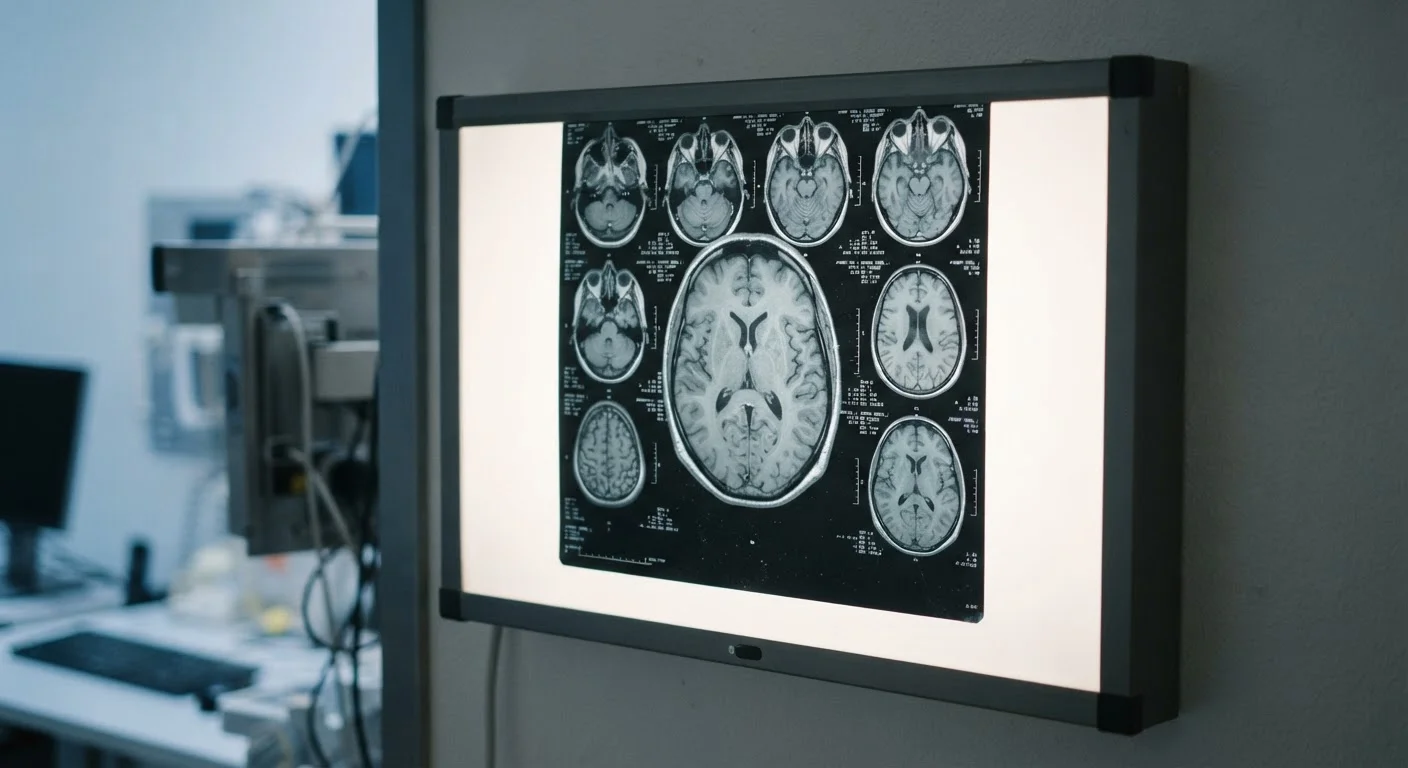
- Neuroimaging: MRI scans are typically preferred over CT scans to detect structural changes in the brain that may explain seizures.
- Blood tests: Used to rule out metabolic causes such as low blood sugar or electrolyte abnormalities.
A Normal EEG Does Not Rule Out Epilepsy
Many people with confirmed epilepsy have a normal EEG reading between seizure episodes. A single normal EEG result should not be interpreted as evidence that epilepsy is absent. Neurologists may recommend prolonged or video EEG monitoring, or repeat testing, when clinical suspicion remains high.
Because many conditions can mimic seizures - including fainting, panic attacks, and cardiac events - an accurate diagnosis is essential before treatment begins. Seeking care from a neurologist or epileptologist (a neurologist who specializes in epilepsy) is strongly recommended. If you have recently received a diagnosis, our guide on questions to bring to your doctor after a chronic condition diagnosis can help you get the most from your next appointment.
Treatment and Management
The primary goal of epilepsy treatment is seizure freedom with the fewest side effects. Treatment is highly individualized and depends on epilepsy type, seizure frequency, age, and other health factors.
Anti-seizure medications (ASMs) are the most common first-line approach. There are over 20 approved ASMs, and finding the right one - or combination - often requires time and adjustment. People are encouraged never to start, stop, or alter medication without consulting their neurologist, as abrupt changes can increase seizure risk.
When two or more medications fail to achieve seizure control, the condition is considered drug-resistant epilepsy. In these cases, additional options may be explored:
- Epilepsy surgery: For eligible candidates - typically those with a clearly identified seizure focus - surgery to remove or disconnect the responsible brain tissue can significantly reduce or eliminate seizures.
- Neurostimulation devices: Vagus nerve stimulation (VNS), responsive neurostimulation (RNS), and deep brain stimulation (DBS) are implanted devices that help modulate abnormal brain activity.
- Dietary therapies: The ketogenic diet and its variants have evidence supporting their use, particularly in children with drug-resistant epilepsy. These are always supervised medically.
Never Stop Anti-Seizure Medication Abruptly
Discontinuing anti-seizure medications suddenly - even if you have been seizure-free for an extended period - can significantly increase the risk of breakthrough seizures, including prolonged seizures (status epilepticus). Any changes to your medication regimen must be made gradually and only under direct guidance from your neurologist.
Living With Epilepsy Every Day
Epilepsy touches nearly every aspect of daily life. Safety planning, employment considerations, driving restrictions, and reproductive health decisions are all areas that require ongoing attention and informed conversation with a healthcare team.
Mental health deserves particular emphasis. Research consistently shows that depression and anxiety occur at significantly higher rates among people with epilepsy compared to the general population - and these challenges are often underdiagnosed and undertreated. This is not simply an emotional response to having a chronic illness; shared neurobiological pathways also play a role. Our article on managing a chronic condition alongside mental health explores this connection in depth.
Cognitive effects - including difficulties with memory, attention, and processing speed - are reported by many people with epilepsy and can result from the condition itself, its underlying cause, or medication effects. Strategies for supporting brain health are discussed in our guide to keeping your mind sharp.
Lifestyle habits matter too. Consistent sleep schedules, stress management, and adherence to medication routines are among the most evidence-supported strategies for reducing seizure frequency. For practical guidance on making sustainable changes after a diagnosis, see our piece on approaching lifestyle changes after a chronic diagnosis.
Epilepsy is a complex condition, but with the right clinical care, honest self-advocacy, and reliable information, many people live full, meaningful lives. Speak with a qualified neurologist to understand your specific situation and explore what treatment options may be appropriate for you.
This article is for general informational and educational purposes only and is not a substitute for professional medical advice, diagnosis, or treatment. Always consult a qualified healthcare provider with any questions you may have regarding a medical condition.