

Key Takeaways
What Happens Inside the Airways During Asthma
Asthma is a chronic respiratory condition characterized by inflammation and intermittent narrowing of the airways - the tubes that carry air in and out of the lungs. When airways become inflamed, the lining swells, muscles around the tubes tighten, and extra mucus is produced. The combined result is reduced airflow, which the body experiences as wheezing, chest tightness, coughing (often worse at night), and shortness of breath.
This process is not the same as a single blocked airway. In asthma, the inflammation is widespread and reactive - meaning the airways are persistently sensitized and ready to overreact to stimuli that wouldn't trouble most people. Understanding this distinction matters: asthma is not simply a lung disease that flares occasionally; it is an ongoing inflammatory condition that requires consistent attention even when symptoms are absent.
Familiarizing yourself with clinical terminology can be useful here. Our plain-language guide to chronic condition vocabulary explains terms like "inflammation," "bronchospasm," and "disease management plan" in accessible language.
25 million
Americans living with asthma
According to the U.S. Centers for Disease Control and Prevention (CDC), approximately 25 million people in the United States have asthma.
1 in 13
People in the US affected by asthma
CDC surveillance data shows that roughly 1 in 13 Americans has asthma, making it one of the most prevalent chronic respiratory conditions in the country.
~60%
Adults with uncontrolled asthma symptoms
Research published in peer-reviewed respiratory journals suggests that a substantial proportion of people with asthma do not achieve full symptom control with their current treatment regimen.
Common Asthma Triggers and Why They Vary
A trigger is any substance or condition that irritates sensitized airways and provokes symptoms. The most commonly documented triggers include:
- Allergens: Dust mites, pet dander, mold spores, cockroach particles, and pollen are frequent offenders, especially in people with allergic asthma.
- Respiratory infections: Viral illnesses - particularly common colds - are among the most common causes of asthma flares in both children and adults.
- Exercise: Physical exertion can narrow airways within minutes of activity, a pattern clinicians call exercise-induced bronchoconstriction.
- Air quality and irritants: Tobacco smoke, strong chemical fumes, wood smoke, and outdoor air pollution can all provoke symptoms.
- Weather changes: Cold, dry air and sudden drops in temperature are established triggers for many people.
- Stress and strong emotions: Psychological stress can alter breathing patterns and amplify airway reactivity. For a broader look at how stress habits build up, see our overview on everyday habits that quietly raise stress levels.
No two people with asthma share identical trigger profiles. Identifying yours - with the help of a healthcare provider - is one of the most practical steps toward reducing flare frequency.
Avoid Assuming Triggers Are the Same for Everyone
Trigger lists from general sources are a starting point, not a personal diagnosis. Acting on assumed triggers without confirmation - such as rehoming a pet unnecessarily - can cause significant disruption without benefit. Work with an allergist or pulmonologist to test for specific sensitivities before making major environmental changes.
Recognizing Patterns in Your Symptoms
Asthma symptoms often follow predictable patterns once you learn to notice them. Many people experience a predictable worsening at night or early morning, when natural anti-inflammatory hormones are at their lowest and airway tone changes. Others find their symptoms cluster around specific seasons, workplaces, or activities.
Keeping a symptom diary - noting time of day, activity, location, and severity - is an effective and low-cost way to surface these patterns. Lung function measurements, such as peak flow readings taken with an inexpensive handheld device, can reveal declining airway function before symptoms become severe.
Track peak flow readings at the same time each morning, before taking any medication. Consistent baseline measurements make it far easier to spot early deterioration before a full flare develops.
Morning peak flow tends to be the lowest of the day, making it the most sensitive early-warning measure of changing airway function for most people with asthma.
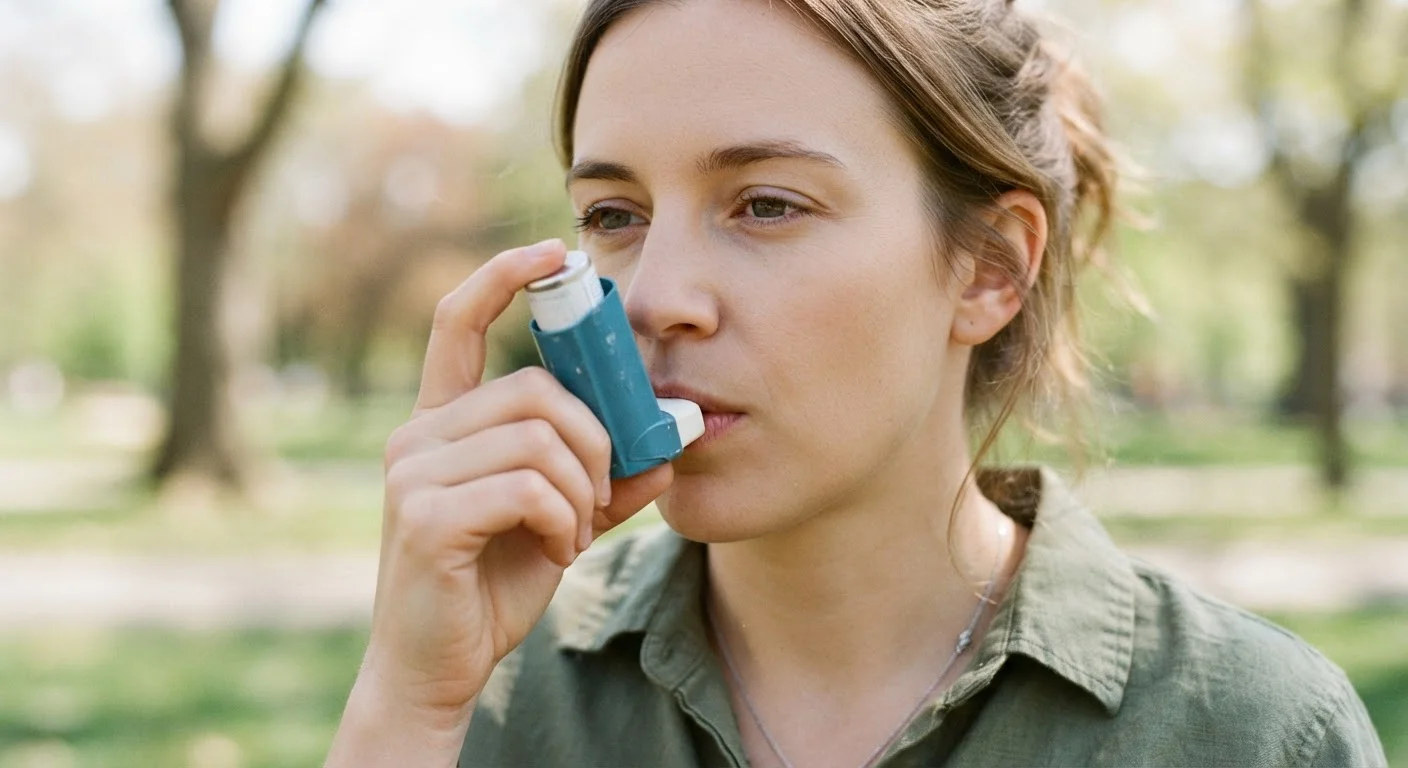
Photograph your inhaler technique and review it periodically with your pharmacist or provider. Studies show that a large proportion of patients use inhalers incorrectly, which significantly reduces medication delivery to the lungs.
Incorrect inhaler technique is one of the most common and underappreciated reasons for poor asthma control, and it is entirely correctable with brief, targeted instruction.
A persistent cough is sometimes the only noticeable symptom of poorly controlled asthma, particularly at night. If a cough lingers for weeks, our symptom guide to persistent cough covers the range of causes worth discussing with a clinician.
Daily Management Strategies
Effective asthma management rests on two pillars: reducing exposure to triggers and using medications as directed by a healthcare provider.
Medication categories: Most people with persistent asthma use two types of inhaled medications. Controller medications - typically inhaled corticosteroids - reduce airway inflammation over time and are taken daily even when feeling well. Rescue (reliever) medications - usually short-acting bronchodilators - relax airway muscles quickly during an acute episode. Using a rescue inhaler more than twice a week generally signals that long-term control is inadequate and warrants a conversation with a provider.
Written asthma action plans: Clinical guidelines consistently support the use of a personalized written plan, developed with a healthcare provider, that outlines daily medication use, how to recognize a worsening episode, and what steps to take. This document removes guesswork during high-stress moments.
Breathing techniques: Certain controlled breathing approaches - such as diaphragmatic breathing - may support general respiratory comfort. Our plain-language overview of breathing exercises describes these techniques and what evidence supports them. Always discuss with your provider before incorporating them into asthma care.
Environment modifications: Encasing mattresses and pillows in allergen-proof covers, using high-efficiency air filters, keeping indoor humidity below 50%, and eliminating tobacco smoke from the home are all supported by evidence as trigger-reduction strategies.
Make Your Asthma Action Plan Visible
Store a printed copy of your written asthma action plan somewhere accessible - on the refrigerator or in a household binder - so other people in your home can act on it if you are unable to. Digital copies stored in a phone notes app also provide quick access. Review and update it with your provider at least once a year.
When to Seek Medical Attention
Some asthma situations require prompt professional evaluation rather than self-management. Contact a healthcare provider if:
- Symptoms are worsening despite using a rescue inhaler as directed.
- You are waking regularly at night due to coughing or breathing difficulty.
- You are needing your rescue inhaler more than twice a week.
- You notice lips or fingernails turning blue - this indicates low oxygen and is a medical emergency requiring immediate care.
A Severe Asthma Attack Is a Medical Emergency
If breathing becomes severely difficult, a rescue inhaler provides no relief, speech is reduced to single words, or the skin between the ribs appears to pull inward with each breath, call 911 or go to the nearest emergency department immediately. Do not drive yourself. Severe asthma attacks can deteriorate rapidly and require immediate medical intervention.
Regular check-ins with a provider - even during stable periods - allow for medication adjustments, inhaler technique review, and updated action plans. Asthma that appears well-controlled can shift with life changes, seasonal exposures, or new comorbidities, making ongoing monitoring important rather than optional.
This article is for general informational and educational purposes only and does not constitute medical advice. Always consult a qualified healthcare professional for diagnosis, treatment, or any questions regarding a medical condition.