

Key Takeaways
Why Fever Misunderstandings Are So Persistent
Fever is one of the most common reasons people seek medical attention or reach for over-the-counter medication - yet it remains one of the most misunderstood physiological responses in everyday health. Confusion around normal temperature ranges, the purpose of fever, and when it demands urgent care leads many people to either overreact or, in some cases, underreact at a genuinely critical moment.
These misconceptions are not trivial. They shape decisions about whether to give a child medication at 2 a.m., whether to visit an emergency room, or whether to complete a prescribed course of treatment. Getting the facts straight helps you respond calmly and appropriately. This is also relevant context alongside broader infectious disease myths that persist despite the evidence.
Myth
A temperature above 98.6°F (37°C) means you have a fever.
Fact
Normal body temperature varies between individuals and throughout the day; 100.4°F (38°C) is the widely accepted clinical threshold for fever.
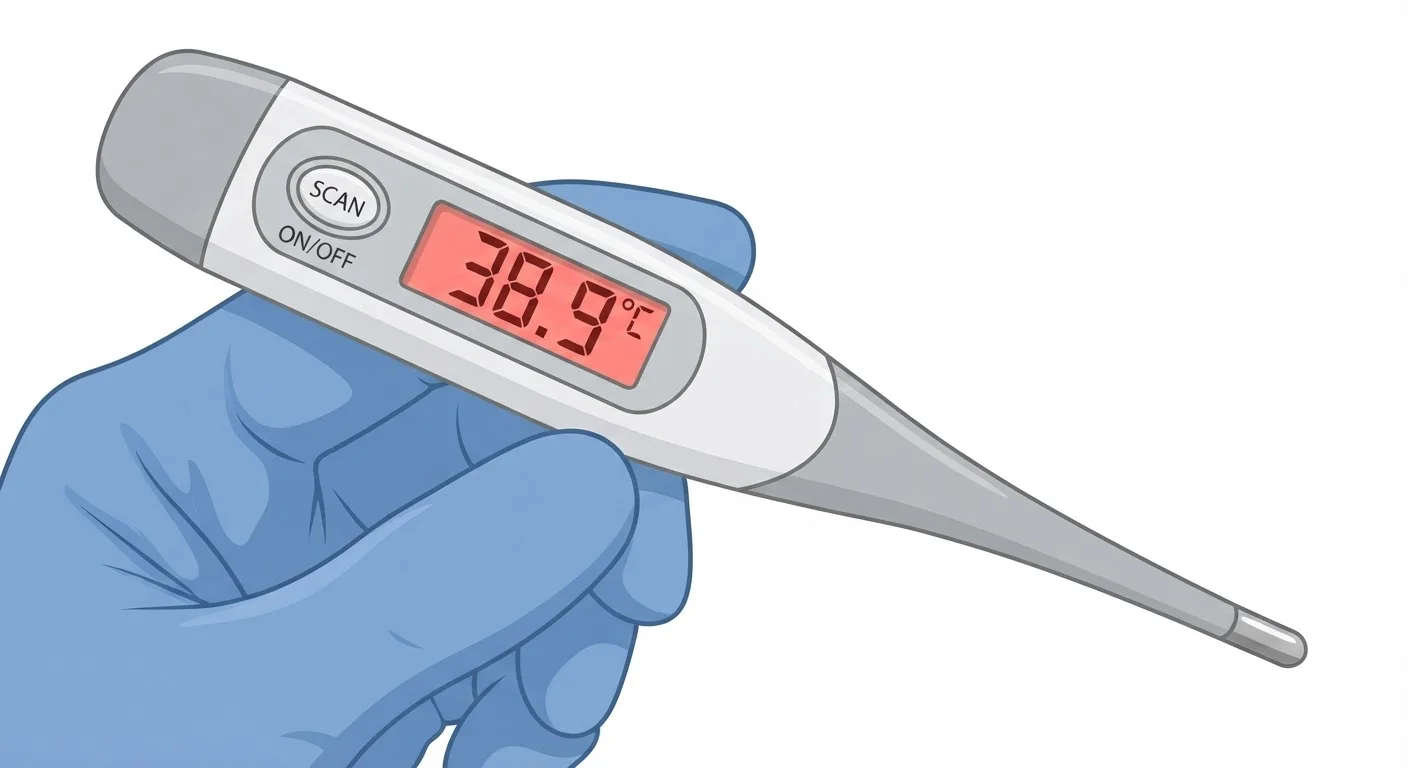
The idea that 98.6°F is the universal normal temperature dates to 19th-century research that has since been refined. Studies show that healthy adults commonly have baseline temperatures ranging from roughly 97°F to 99°F depending on age, time of day, activity level, and where the measurement is taken. Clinically, a reading of 100.4°F (38°C) or higher is considered a fever. Treating a temperature of 99°F as pathological can cause unnecessary anxiety and unwarranted use of fever-reducing medication.
Myth
Fever is dangerous and must always be brought down as quickly as possible.
Fact
Fever is a regulated immune response that can actually help the body fight infection; aggressive suppression is not always necessary or beneficial.
Fever is not the enemy - it is part of the body's coordinated defense. Elevated body temperature can inhibit the growth of certain pathogens and activate immune cells more efficiently. Most fevers in otherwise healthy adults and older children are self-limiting and not intrinsically harmful. The goal of fever management is primarily comfort, not elimination of all temperature elevation. That said, very high sustained fevers (above 104°F / 40°C) or fever in vulnerable populations should be assessed by a clinician. For more on how the body mounts this response, see our article on fever's role during infection.
Myth
If the fever breaks, the infection is over.
Fact
A drop in temperature indicates the fever phase has passed, not that the underlying infection has been fully cleared.
Fever often resolves before the pathogen causing it has been eliminated. The immune system continues working after temperature normalizes, and bacterial infections in particular may require a full course of prescribed antibiotics to clear completely - stopping treatment early because the fever is gone can contribute to treatment failure or recurrence. Understanding which infections resolve on their own and which require treatment is important context here.
Myth
Fever is always caused by a bacterial infection and needs antibiotics.
Fact
The majority of common fevers in adults and children are caused by viruses, against which antibiotics have no effect.
Viral respiratory illnesses - including influenza, common cold viruses, and many others - are among the most frequent causes of fever. Antibiotics do not treat viral infections, and using them unnecessarily contributes to antimicrobial resistance. A clinician assesses multiple factors - symptom pattern, duration, physical examination, and sometimes laboratory tests - to determine whether a bacterial cause is likely before prescribing antibiotics. If you're uncertain about your symptoms, common patterns that cause symptom confusion is worth reviewing.
Myth
A higher fever always means a more serious illness.
Fact
Fever height alone is a poor predictor of illness severity; accompanying symptoms and clinical context matter far more.
Some relatively minor viral illnesses can produce temperatures above 103°F, while some serious bacterial infections may present with only a mild fever or even no fever at all - particularly in elderly individuals or those who are immunocompromised. Clinicians evaluate the full clinical picture: hydration status, mental alertness, breathing, rash, duration, and the patient's baseline health. A mildly elevated temperature in a person who appears seriously unwell may be more concerning than a high temperature in a child who is still active and drinking fluids.
When Fever Genuinely Warrants Urgent Care
While most fevers in healthy adults and older children resolve without intervention, certain presentations require prompt medical evaluation. Seek care if:
- Fever exceeds 103°F (39.4°C) and does not respond to standard comfort measures
- Any fever occurs in an infant under three months old
- Fever is accompanied by a stiff neck, severe headache, sensitivity to light, confusion, or difficulty breathing
- The fever has lasted more than three days without improvement
- The person is immunocompromised, pregnant, elderly, or has a significant underlying condition
Fever in Infants Requires Immediate Attention
Any fever of 100.4°F (38°C) or higher in a baby under three months old should be treated as a medical emergency. Do not wait to see if it resolves on its own. Contact a healthcare provider or seek emergency care right away, as infants' immune systems are not yet equipped to handle certain infections without rapid intervention.
For special populations - including pregnant individuals, young children, and those managing chronic illness - general guidance may not apply. Always consult a qualified healthcare professional for personal medical decisions.
This article is for general informational and educational purposes only. It does not constitute medical advice, diagnosis, or treatment. Always consult a qualified healthcare provider for concerns about your health or the health of someone in your care.
100.4°F
Clinical fever threshold in adults
The Centers for Disease Control and Prevention and major clinical guidelines define fever in adults as an oral temperature at or above 100.4°F (38°C).
~70-80%
Of acute febrile illnesses caused by viruses
Research consistently indicates the large majority of fever-producing infections presenting in outpatient settings are viral in origin, not bacterial.