

Key Takeaways
Why Breathing Affects Your Stress Response
The autonomic nervous system governs involuntary functions like heart rate and digestion, and it operates in two primary modes: the sympathetic (fight-or-flight) and the parasympathetic (rest-and-digest). Chronic stress tends to keep people anchored in the sympathetic state - a physiologically costly place to live long-term.
Unlike most autonomic functions, breathing can be voluntarily controlled. This makes it a rare direct lever on the nervous system. Research suggests that deliberately slowing and deepening the breath - particularly by extending the exhale - stimulates the vagus nerve, which runs from the brainstem through the body and plays a central role in parasympathetic activation. The result can be a measurable reduction in heart rate and a subjective sense of calm.
For a broader look at how these techniques fit into mindfulness practice, the Breathing Techniques Used in Mindfulness reference guide offers a useful companion overview. And if you want to explore breathing specifically in the context of anxiety, see our related piece on calming an anxious nervous system.
This Is General Wellness Information
The techniques described here are general wellness practices, not medical treatments. They are not intended to diagnose, treat, or replace care for any health condition. If you are experiencing severe or persistent anxiety, panic attacks, or any physical symptoms, please seek guidance from a qualified healthcare professional.
Getting Started: What You Need
One of the most practical aspects of breath-based techniques is that they require almost nothing to begin. The tools below are optional aids - not requirements.
Timer or Clock
Helps you track breath counts and hold durations without losing focus on the practice.
Comfortable Seat or Mat
Supports good posture during seated breathing exercises, allowing the diaphragm to move freely.
Guided Breathing App
Provides audio or visual pacing cues if you find it hard to count breath intervals on your own.
What you will need
Before moving into the steps, it helps to understand what you are aiming for: a slower, more deliberate breathing pattern that your body can use as a signal that the perceived threat has passed. You are not forcing relaxation - you are creating the physiological conditions that support it.
Stop If You Feel Lightheaded or Unwell
Some people feel dizzy or short of breath when first experimenting with controlled breathing - especially techniques involving breath holds. If this happens, return to your natural breathing pace immediately. People with respiratory conditions, cardiovascular concerns, or anxiety disorders should consult a healthcare professional before trying breath-hold techniques.
Step-by-Step: Three Techniques to Try
The following steps walk you through three evidence-informed breathing patterns. You do not need to use all three - start with whichever feels most approachable and build from there.
Find a comfortable, upright position
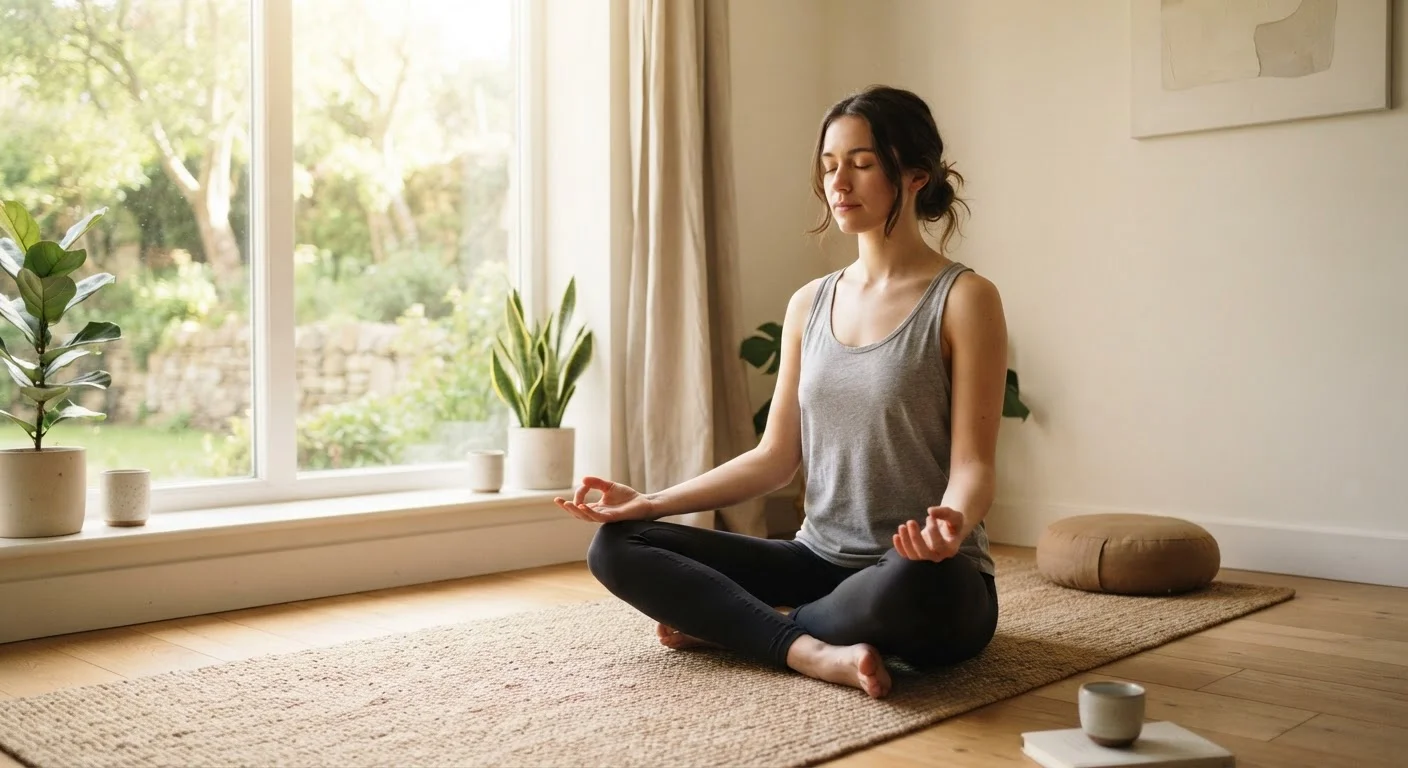
Sit in a chair with your feet flat on the floor, or cross-legged on a mat. Rest your hands loosely on your thighs. Keep your spine tall but not rigid - this posture allows your diaphragm (the dome-shaped muscle beneath your lungs) to move without restriction. You can also lie flat if sitting is uncomfortable.
Try Extended Exhale Breathing (4-6 pattern)
Inhale gently through your nose for a count of 4, then exhale slowly through slightly parted lips for a count of 6. The longer exhale is the key mechanism: it engages the vagus nerve and helps shift your autonomic nervous system toward a parasympathetic (rest-and-digest) state. Repeat for 6-10 breath cycles.
Practice Box Breathing (4-4-4-4 pattern)
Box breathing uses equal-length phases to create a steady, rhythmic pattern. Inhale for 4 counts, hold for 4, exhale for 4, then hold again for 4 before your next inhale. Visualizing the four sides of a square as you move through each phase can help anchor your attention. Start with 4-6 rounds.
Try Diaphragmatic (Belly) Breathing
Place one hand on your belly. Inhale slowly through your nose, consciously directing the breath downward so your belly rises while your chest stays relatively still. Exhale gently and feel the belly fall. This technique encourages full use of your lung capacity and reduces the shallow chest breathing associated with acute stress responses. Practice for 2-5 minutes.
Close the session and notice the shift
After completing your chosen technique, spend 30 seconds breathing normally and simply noticing how you feel. This brief reflection reinforces the mind-body connection and helps you recognize over time how breathing practice affects your state. You might jot a quick note - "calmer," "less tense" - to build awareness of what works best for you.
Consistency Matters More Than Duration
You do not need long sessions to see benefit. Even three to five minutes of intentional breathing practiced daily may help reinforce your body's relaxation response over time. Pairing these techniques with other calming habits can amplify the effect - see our practical daily stress management routine for ideas.
Making Breathing Practice a Daily Habit
Sporadic use can still offer relief in acute moments, but the broader research on breathing practice suggests that consistent, repeated use is where longer-term nervous system benefits may accumulate. Consider anchoring a brief session to an existing habit - morning coffee, a midday break, or a wind-down routine before bed.
If you notice that stress is driven by daily patterns rather than isolated moments, the article on daily habits that quietly fuel stress may help you identify root causes worth addressing. For a fuller framework, the practical daily routine for managing stress ties breathing together with other evidence-informed habits.
The Anxiety & Stress hub also offers a range of practical resources if you want to explore further strategies. And for a plain-language overview of how these exercises are used day-to-day, see Breathing Exercises in Daily Life.
This article is for general informational and educational purposes only and does not constitute medical advice. Always consult a qualified healthcare professional for guidance specific to your health needs or before beginning any new wellness practice.