

Key Takeaways
Why Nutritional Needs Change Throughout Life
The human body moves through dramatically different physiological phases from infancy through old age - and food must keep pace with each transition. Growth rates, hormone levels, muscle mass, bone density, and digestive efficiency all shift over time, reshaping which nutrients matter most and in what amounts.
Understanding how key dietary needs evolve from childhood through older age provides a useful foundation. Rather than chasing individual superfoods, the stronger approach is recognizing that overall dietary patterns carry more weight than any single food at every stage of life.
~30%
Decline in resting metabolic rate from age 20 to 70
Research published in Science (2021) found that metabolic rate remains relatively stable from ages 20-60, then declines roughly 0.7% per year, with total change significant by older adulthood.
46%
Older adults with inadequate vitamin D intake
The National Health and Nutrition Examination Survey (NHANES) data consistently shows vitamin D inadequacy is widespread among adults over 65 in the United States.
1 in 3
Adults over 50 with low vitamin B12 levels
Estimates from nutrition surveillance data suggest approximately one-third of older adults have borderline or deficient B12 status, largely due to reduced absorption with age.
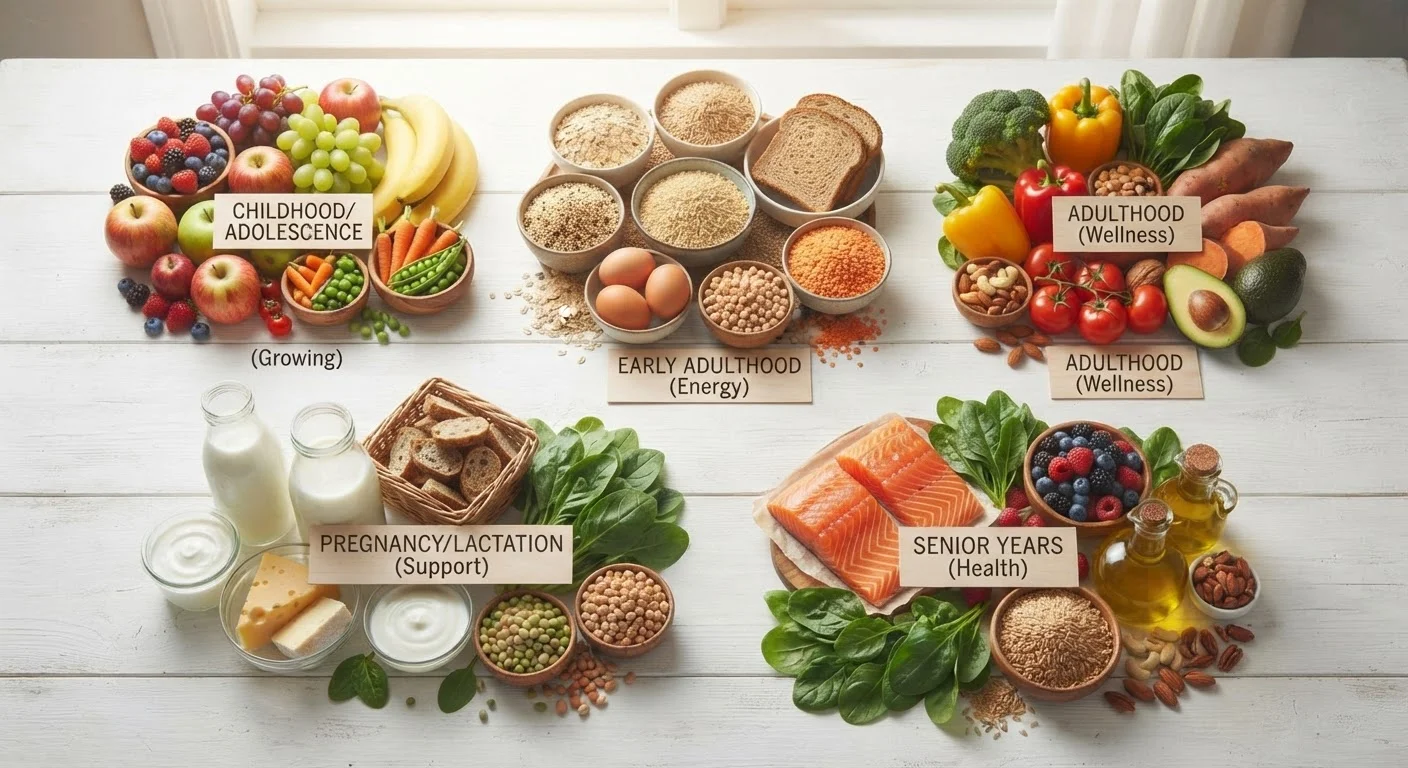
Childhood and Adolescence: Building a Foundation
During childhood and the teenage years, the body is in a state of rapid construction. Bone density accumulates, organs mature, and the brain undergoes significant development - all of which demand generous supplies of key nutrients.
- Calcium and vitamin D are critical for building peak bone mass, which is largely established before age 30. Dairy products, fortified plant milks, leafy greens, and fatty fish are reliable sources.
- Iron supports cognitive development in younger children and compensates for menstrual losses beginning in adolescence. Lean meats, beans, and iron-fortified cereals help meet these needs.
- Protein fuels muscle and tissue growth throughout childhood. Variety across animal and plant protein sources supports this without relying on any single food.
Eating patterns established early tend to track into adulthood. Exposing children to a wide range of vegetables, whole grains, and legumes builds both nutritional variety and lifelong food preferences. Healthy eating looks different across cultures, and that diversity is worth embracing from the earliest years.
When introducing new vegetables to children, repeated low-pressure exposure works better than forced tasting. Research suggests it can take 10-15 exposures to a new food before acceptance increases.
Flavor preferences in childhood are highly malleable and are shaped significantly by familiarity, making consistent, calm exposure the most evidence-supported strategy.
In older adults, distributing protein intake evenly across meals - rather than loading it into one - appears to support muscle protein synthesis more effectively.
Studies suggest muscles in older adults respond better to smaller, regular protein doses throughout the day compared with a single large portion.
Young and Middle Adulthood: Sustaining Health
From the mid-twenties through the fifties, metabolic rate begins a gradual decline and caloric needs shift downward - though the need for micronutrients largely remains stable or increases. This is the stage where dietary patterns start to show their long-term consequences in cardiovascular health, metabolic function, and chronic disease risk.
Priorities during this phase include:
- Fiber from whole grains, vegetables, fruits, and legumes supports gut health, blood sugar regulation, and cholesterol management.
- Healthy fats - particularly unsaturated fats from nuts, seeds, avocados, and olive oil - support heart health and reduce inflammatory markers over time.
- Folate remains especially important for people of reproductive age; adequate intake before and during pregnancy supports fetal neural tube development.
A Simple Midlife Nutrition Reset
If your eating habits have drifted since your twenties, midlife is a practical time to recalibrate. Focus on gradually increasing vegetable variety, swapping refined grains for whole grains, and reducing ultra-processed snack foods. Small, consistent changes at this stage can meaningfully reduce long-term chronic disease risk without requiring a dramatic dietary overhaul.
Pairing nutrition with physical activity amplifies the benefits of a healthy diet. Movement needs also shift across the lifespan, and keeping both in alignment is a practical approach to sustaining wellbeing through midlife.
Older Adulthood: Adapting to Changing Physiology
After age 65, several physiological changes converge to create distinct nutritional challenges. Appetite often diminishes, absorption of certain nutrients declines, and the risk of muscle loss - known as sarcopenia - accelerates. At the same time, energy needs continue falling while the need for several key nutrients rises.
Muscle Loss Is a Real Risk After 65
Sarcopenia - age-related muscle loss - affects a significant portion of older adults and is associated with falls, reduced independence, and poorer health outcomes. Adequate protein intake, combined with regular resistance exercise, is among the most evidence-supported strategies for slowing this process. Speak with a healthcare provider before making significant changes to your diet or exercise routine, especially if you have existing health conditions.
- Protein becomes more important, not less. Older adults generally require more protein per kilogram of body weight than younger adults to maintain muscle mass and support immune function.
- Vitamin B12 absorption decreases with age as stomach acid production declines. Fortified foods and supplementation (as guided by a healthcare provider) help compensate.
- Vitamin D and calcium support bone health and help reduce fracture risk. Sun exposure decreases with age, making dietary and supplemental sources more important.
For practical strategies when appetite fades, getting nutrition right when appetite naturally decreases offers targeted guidance. Older adults can also benefit from exploring how Mediterranean eating patterns compare to standard dietary advice for their age group.
Eating Patterns That Work Across All Ages
No single eating pattern suits every person at every life stage - but certain principles hold across the lifespan. Diets built around whole foods, abundant vegetables and fruits, quality proteins, and limited ultra-processed foods consistently show positive associations with health outcomes across age groups and cultures.
“There is no one-size-fits-all diet. The best eating pattern is one that meets your nutrient needs, fits your food culture, and is sustainable across your lifetime.”
— Dietary Guidelines Advisory Committee, U.S. Federal Advisory Body on Nutrition Science
Key practical principles that apply broadly include:
- Prioritize nutrient density over calorie quantity - especially as energy needs decline with age but micronutrient needs do not.
- Eat a variety of foods - this remains the most reliable strategy for covering nutritional gaps without obsessively tracking individual nutrients.
- Adapt as life circumstances change - pregnancy, menopause, chronic conditions, and medication use all create specific nutritional considerations that may require professional guidance.
Supporting healthy aging through daily habits - including nutrition, sleep, and movement - is the focus of the Aging Well Daily hub, which offers practical content for every decade. Staying physically engaged is equally important; the Active Aging hub covers how to maintain strength and mobility across the years.
This article is for general informational purposes only and is not a substitute for personalized medical or nutritional advice. Consult a qualified healthcare professional or registered dietitian for guidance tailored to your individual health needs.