

Key Takeaways
Start here
What Is a Skin Rash?
Next
Common Types of Skin Rashes
Then
What Causes Rashes?
Important
Warning Signs That Need Prompt Attention
Wrap up
General Skin Care While Waiting for a Diagnosis
What Is a Skin Rash?
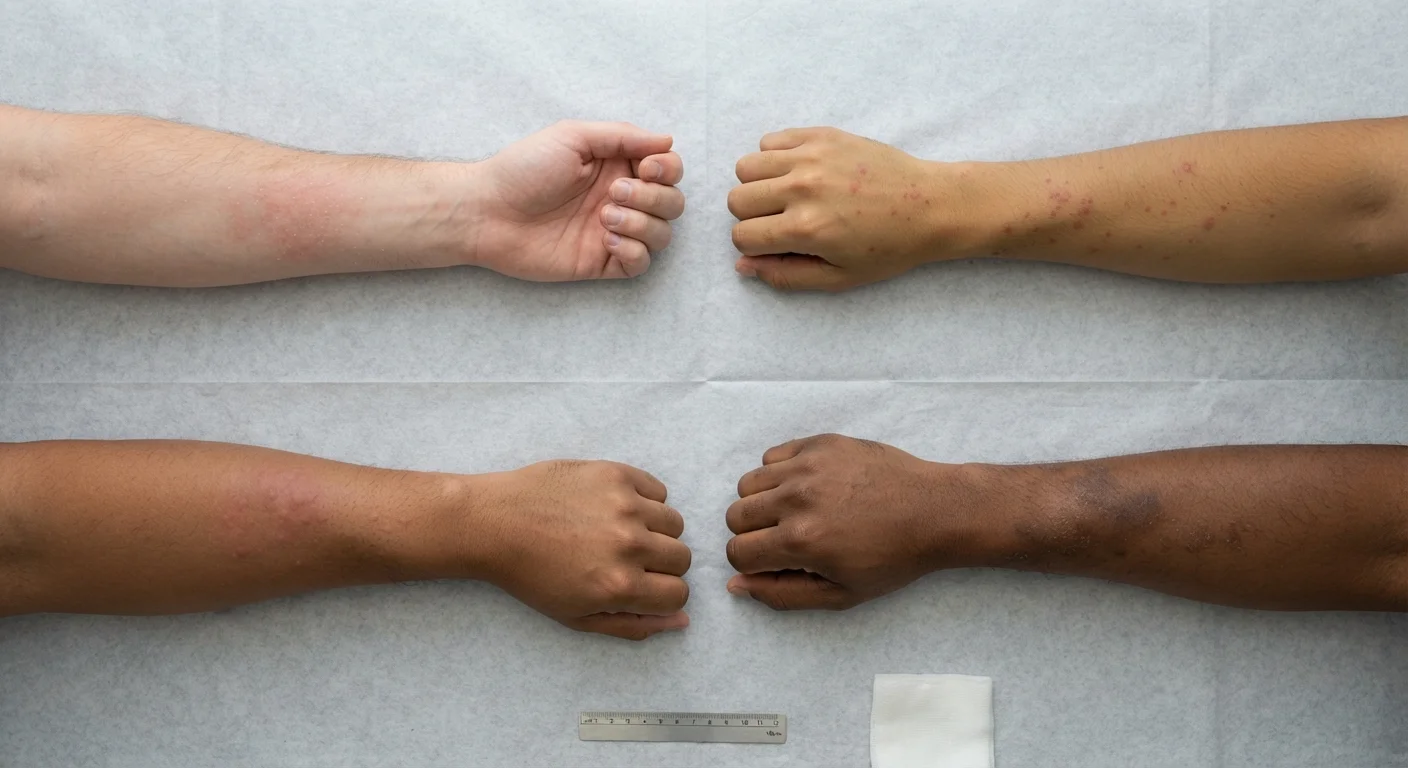
A skin rash is a broad term for any visible change in the color, texture, or feel of the skin. Rashes may appear as redness, bumps, blisters, scales, or patches - and they can be flat, raised, dry, or weeping. They range from a tiny irritated patch to widespread coverage across the body.
Because the skin is the body's largest organ and its first line of defense against the outside world, it responds visibly to a huge range of internal and external triggers. As explored in our guide to skin as a health signal, these surface changes are often meaningful clues rather than isolated nuisances.
Dermatitis
A general term meaning inflammation of the skin. It covers many rash types and does not refer to a single specific disease.
Allergen
A substance that triggers an immune reaction in people who are sensitive to it, even though it is harmless to most people.
Blanching
When a rash fades or turns white under pressure, it is described as blanching. Rashes that do not blanch may indicate bleeding under the skin and require urgent evaluation.
Urticaria
The medical term for hives - raised, itchy welts on the skin that can appear and disappear quickly in response to various triggers.
Autoimmune condition
A condition in which the immune system mistakenly attacks the body's own healthy cells or tissues rather than outside threats.
Tinea
The medical name for a group of common fungal skin infections. Different types affect different body areas - scalp (tinea capitis), body (tinea corporis), or feet (tinea pedis, also known as athlete's foot).
Common Types of Skin Rashes
While there are hundreds of named skin conditions, a handful of rash types account for a large proportion of everyday cases:
- Contact dermatitis: Redness, itching, and sometimes blistering caused by direct skin contact with an irritant (like harsh soap) or an allergen (like poison ivy or nickel). The rash typically appears only where skin touched the trigger.
- Eczema (atopic dermatitis): A chronic condition marked by dry, itchy, inflamed patches. It often appears in the creases of elbows and knees and tends to flare and remit over time. It is more common in people with a personal or family history of asthma or hay fever.
- Hives (urticaria): Raised, itchy welts that appear suddenly and can shift location within hours. They are often triggered by allergies, medications, infections, or stress.
- Psoriasis: Thick, silvery-scaled plaques that form when skin cells replicate too quickly. It most often appears on the scalp, elbows, and knees, and is linked to immune system activity rather than infection.
- Ringworm (tinea): Despite its name, ringworm is a fungal infection - not caused by a worm. It produces a ring-shaped, scaly patch and is contagious through direct contact or shared surfaces.
- Viral rashes: Many common infections produce characteristic rashes. Chickenpox, for instance, causes itchy blisters across the body. Understanding how infections spread and resolve is covered in our beginner's overview of infectious diseases.
What Causes Rashes?
Rashes arise from a wide variety of mechanisms. The most common categories include:
- Allergic reactions
- The immune system overreacts to a substance it incorrectly identifies as harmful - pollen, pet dander, latex, certain foods, or medications are frequent culprits.
- Irritant exposure
- Direct chemical or physical damage to the skin without immune involvement - think prolonged contact with detergents, acids, or even excessive moisture (as in diaper rash).
- Infections
- Bacteria, viruses, and fungi can all cause distinctive rashes. These may be localized (impetigo, shingles) or widespread (measles, scarlet fever). Learn more at the Infectious Diseases hub.
- Autoimmune and inflammatory conditions
- The immune system mistakenly targets skin tissue, as seen in psoriasis or lupus.
- Heat and sweat
- Heat rash (miliaria) occurs when sweat ducts become blocked, particularly in hot or humid conditions.
Keep a Symptom Log Before Your Appointment
When a rash appears, write down the date it started, what it looks like, where it is on the body, and whether anything changed in your routine beforehand - new products, foods, medications, or environments. This timeline is genuinely useful diagnostic information for a clinician and can reduce the back-and-forth needed to identify a cause.
Warning Signs That Need Prompt Attention
While most rashes are not medical emergencies, certain features should prompt you to seek care without delay:
- A rash accompanied by high fever, chills, or difficulty breathing
- Rapidly spreading redness or red streaks extending from the rash site
- Skin that blisters extensively or peels in large sheets
- A non-blanching rash - one that does not fade when you press a clear glass firmly against it (this can indicate bleeding under the skin)
- Swelling of the face, lips, or throat alongside a rash, which may signal anaphylaxis, a severe allergic emergency
- Signs of infection at the rash site: increasing warmth, pus, or swelling
A Non-Blanching Rash Is a Medical Emergency
If you press a clear glass firmly against a rash and it does not fade (does not blanch), seek emergency medical care immediately. This can be a sign of meningococcal disease or other serious conditions that cause bleeding under the skin. Do not wait to see if the rash improves on its own.
This article provides general educational information only. Only a qualified healthcare provider can examine and diagnose a rash. Please consult a doctor or dermatologist for any rash that concerns you.
General Skin Care While Waiting for a Diagnosis
Before you can see a healthcare provider, a few general principles can help prevent a rash from worsening - without substituting for professional evaluation:
- Avoid known triggers. If you recently started a new soap, detergent, or medication and a rash followed, discontinue the potential trigger where safely possible and note the timeline for your provider.
- Keep the area clean and dry. Gentle cleansing with mild, fragrance-free soap reduces the risk of secondary infection.
- Resist scratching. Scratching breaks the skin barrier and significantly increases infection risk, even if itching feels intense.
- Wear loose, breathable clothing over the affected area to minimize friction and irritation.
- Document what you observe. Note when the rash appeared, what it looks like, where it is, whether it's spreading, and any accompanying symptoms. Photos can be extremely helpful for your provider.
This article is for informational purposes only and is not a substitute for professional medical advice, diagnosis, or treatment. Always consult a qualified healthcare professional regarding any skin condition or other medical concern.