

Key Takeaways
Start here
What Are Infectious Diseases?
Next
How Pathogens Spread
Then
Recognizing Symptoms and the Stages of Infection
Finally
Immunity, Recovery, and Prevention
What Are Infectious Diseases?
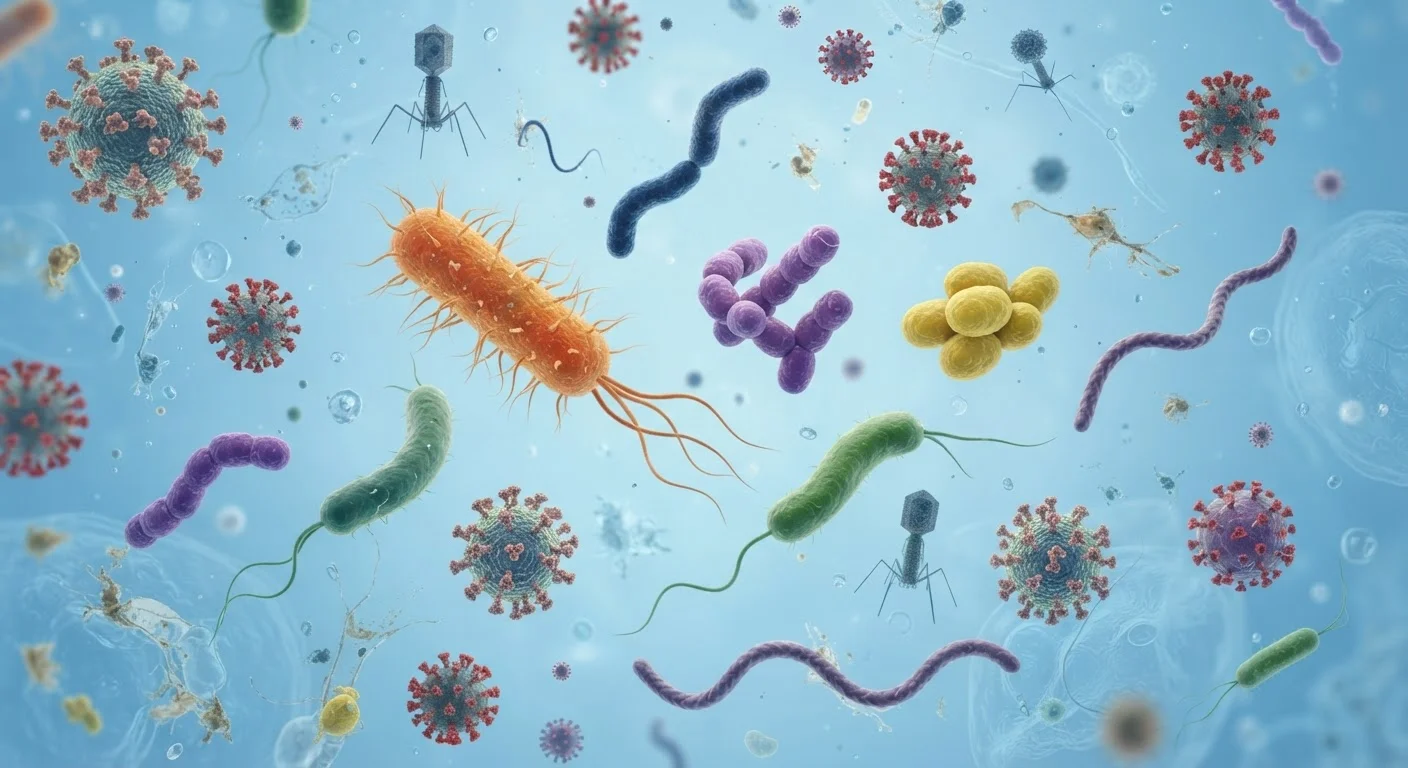
An infectious disease is any illness caused by a pathogen - a microorganism that enters the body and disrupts normal biological function. The four main categories of pathogens are bacteria, viruses, fungi, and parasites. Each type interacts with the human body differently, which is why infections can look and feel so varied.
Bacteria, such as those causing strep throat or urinary tract infections, are single-celled living organisms. Viruses - responsible for illnesses like influenza and COVID-19 - are not technically alive on their own; they hijack the body's cells to replicate. Fungi cause conditions like ringworm and thrush, while parasites (including protozoa and worms) underlie diseases like malaria and giardiasis.
Pathogen
A microorganism - such as a bacterium, virus, fungus, or parasite - that can cause disease in a host.
Incubation period
The time between initial exposure to a pathogen and the appearance of the first symptoms, during which the organism is multiplying in the body.
Transmission
The way a pathogen moves from one source - such as a person, animal, or surface - to a new host.
Innate immunity
The body's fast, general-purpose defense that responds immediately to foreign invaders without being specific to any one pathogen.
Adaptive immunity
A slower, targeted immune response that identifies specific pathogens and builds memory to respond more effectively upon future exposure.
Vector
An organism, typically an insect like a mosquito or tick, that carries and transmits a pathogen from one host to another.
Infectious diseases are distinct from chronic conditions like diabetes or heart disease, which develop through non-infectious mechanisms. While some infections can lead to long-term complications, most are time-limited with appropriate care. For a reference listing of well-known infections and the organisms behind them, see our guide to common infections and their pathogens.
How Pathogens Spread
Understanding transmission - how a pathogen moves from one host to another - is central to understanding why infectious diseases spread through communities. The main routes include:
- Respiratory droplets and aerosols: Coughing, sneezing, or talking can release pathogen-containing particles. This is how influenza and many respiratory viruses travel.
- Direct contact: Touching an infected person or their bodily fluids. Skin-to-skin contact spreads conditions like herpes simplex or impetigo.
- Contaminated surfaces (fomites): Pathogens can survive on hard surfaces for varying durations. Touching a contaminated surface and then touching the face can lead to infection.
- Food and water: Consuming contaminated food or water transmits bacterial and parasitic pathogens, including Salmonella and Giardia.
- Vector-borne: Insects such as mosquitoes and ticks can carry and transmit pathogens - malaria and Lyme disease are well-known examples.
Simple Hygiene Habits Make a Real Difference
Handwashing with soap and water for at least 20 seconds is one of the most effective ways to interrupt pathogen transmission. This is especially important before eating, after using the restroom, and after contact with potentially contaminated surfaces. Combining consistent hand hygiene with staying current on vaccinations addresses multiple transmission routes simultaneously.
Not all infections spread the same way, which is why control measures are tailored to the specific pathogen. For example, mosquito netting prevents vector-borne illness, while handwashing primarily addresses contact and fomite transmission.
Recognizing Symptoms and the Stages of Infection
Most infections follow a predictable progression through four stages:
- Exposure: The pathogen enters the body through a route such as inhalation, ingestion, or a break in the skin.
- Incubation: The pathogen multiplies without yet triggering noticeable symptoms. Duration ranges from hours to weeks depending on the organism.
- Active illness: Symptoms emerge as the immune system mounts a response. Common signs include fever, fatigue, pain, and inflammation.
- Resolution or recovery: The immune system overcomes the infection, symptoms subside, and tissue repair begins.
Symptoms vary widely by pathogen and by the part of the body affected. Fever is one of the most universal signs - it reflects the body raising its internal temperature to inhibit pathogen growth. Other symptoms like rashes can point toward specific infections; our plain-language guide to skin rashes can help contextualize what different rash patterns may indicate.
When to Seek Immediate Medical Attention
Certain symptoms signal that an infection may be serious and require prompt evaluation: very high fever, difficulty breathing, persistent vomiting, severe headache with neck stiffness, or any sudden confusion. Do not wait for symptoms to resolve on their own in these situations - contact a healthcare professional or emergency services right away.
Visit our symptoms and signs hub for guidance on interpreting common warning signals and understanding when symptoms warrant professional evaluation.
Immunity, Recovery, and Prevention
The immune system is the body's primary defense against infectious disease. It operates through two main arms: innate immunity (the rapid, non-specific first response) and adaptive immunity (a slower, targeted response that builds immunological memory). When a pathogen is encountered, the adaptive immune system creates memory cells so that future encounters trigger a faster, stronger reaction.
Vaccines leverage this mechanism deliberately - introducing a harmless component of a pathogen (or instructions to produce one) so the immune system can build memory without suffering the disease itself. For a more detailed breakdown of these biological steps, see our article on the immune response to infection, step by step.
From a prevention standpoint, the most evidence-supported practices include:
- Regular handwashing with soap and water for at least 20 seconds
- Staying up to date on recommended vaccinations
- Avoiding close contact with people who are actively ill
- Proper food handling and safe water practices
- Using appropriate protective measures in high-risk environments
Antibiotic Resistance Is a Growing Concern
Antibiotics work only against bacterial infections - they have no effect on viruses. Using antibiotics when they are not needed, or not completing a prescribed course, can contribute to antibiotic resistance, making future bacterial infections harder to treat. Always take antibiotics exactly as directed by a licensed healthcare provider.
This article is for general informational and educational purposes only and does not constitute medical advice. If you are experiencing symptoms of an infection or have concerns about your health, please consult a qualified healthcare professional.