

| Number of recognized depressive disorder types | Multiple (MDD, PDD, SAD, PPD, PMDD, and more) (DSM-5-TR, American Psychiatric Association) |
| Minimum duration for MDD diagnosis | 2 weeks (DSM-5-TR criteria) |
| Minimum duration for PDD diagnosis | 2 years (adults) (DSM-5-TR criteria) |
| SAD seasonal pattern | Typically fall and winter onset (National Institute of Mental Health (NIMH)) |
| PPD onset window | During pregnancy or within 4 weeks of delivery (diagnostic); symptoms can emerge up to a year postpartum (DSM-5-TR; American College of Obstetricians and Gynecologists) |
Depression Is Not One Thing
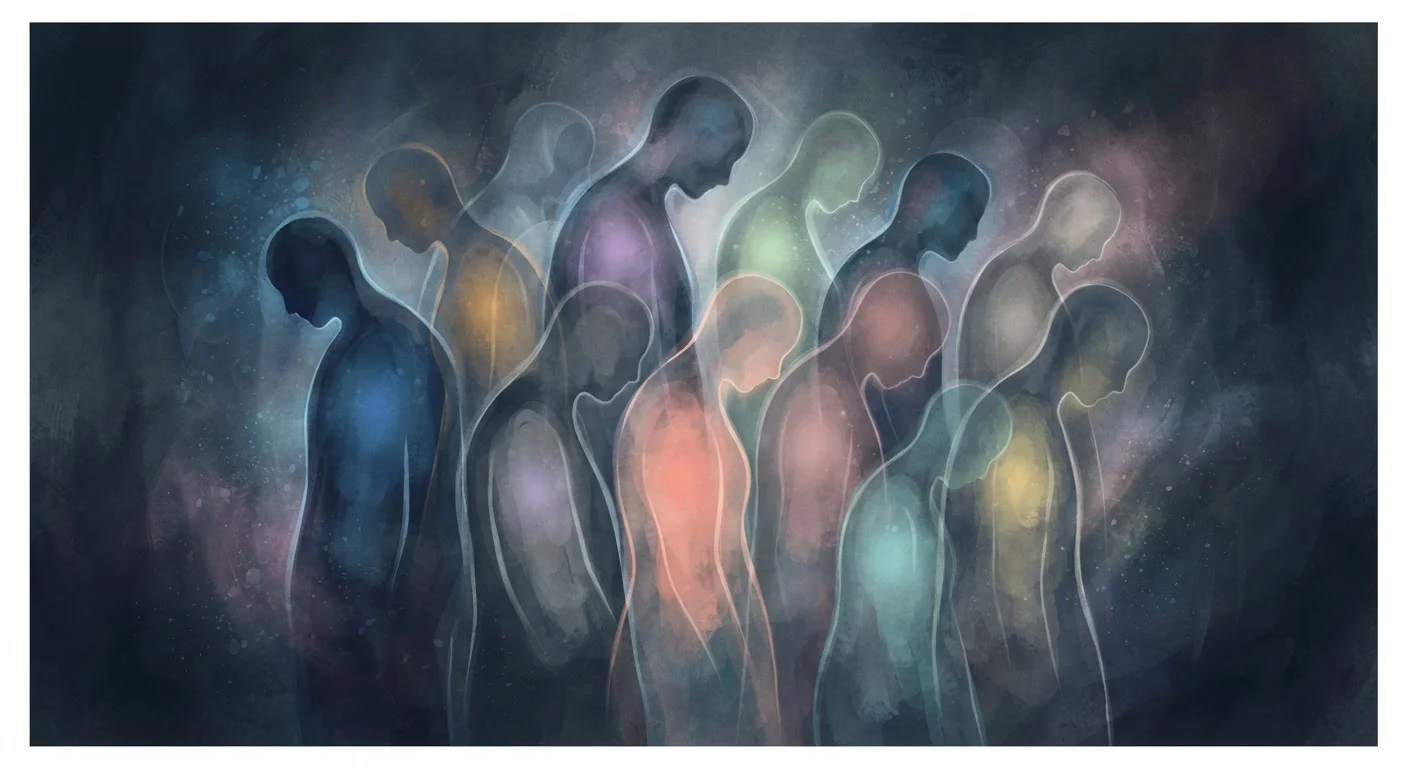
When most people picture depression, they imagine someone unable to get out of bed, consumed by sadness. That image is real - but incomplete. Depression is a family of related mood disorders, each with its own pattern of symptoms, duration, and triggers. Recognizing these distinctions matters because the type of depression someone experiences can shape how it's identified and how professionals approach support.
For a broader foundation, our complete guide to understanding depression covers causes, prevalence, and care pathways in one place. Here, we focus on the specific forms depression can take.
| Number of recognized depressive disorder types | Multiple (MDD, PDD, SAD, PPD, PMDD, and more) (DSM-5-TR, American Psychiatric Association) |
| Minimum duration for MDD diagnosis | 2 weeks (DSM-5-TR criteria) |
| Minimum duration for PDD diagnosis | 2 years (adults) (DSM-5-TR criteria) |
| SAD seasonal pattern | Typically fall and winter onset (National Institute of Mental Health (NIMH)) |
| PPD onset window | During pregnancy or within 4 weeks of delivery (diagnostic); symptoms can emerge up to a year postpartum (DSM-5-TR; American College of Obstetricians and Gynecologists) |
The Major Types of Depression
Major Depressive Disorder (MDD) is what clinicians typically mean when they say "depression" without qualification. It involves at least two weeks of persistent low mood or loss of interest, alongside symptoms such as sleep changes, fatigue, concentration difficulties, and feelings of worthlessness. Episodes can range from mild to severe.
Persistent Depressive Disorder (PDD) - formerly called dysthymia - is a lower-intensity but longer-lasting form. By definition it lasts at least two years in adults. People with PDD often describe feeling "chronically off" rather than acutely unwell, which can make it easy to dismiss or misattribute to personality.
Seasonal Affective Disorder (SAD) follows a predictable seasonal pattern, most commonly emerging in fall and winter when daylight hours shorten. Symptoms frequently include increased sleep, carbohydrate cravings, low energy, and social withdrawal. SAD is classified as a specifier of MDD or PDD rather than a standalone diagnosis.
Postpartum Depression (PPD) extends well beyond the "baby blues" that many new parents experience in the first two weeks after birth. PPD can involve intense sadness, anxiety, difficulty bonding, and intrusive thoughts. It affects birthing parents and, research suggests, some non-birthing partners as well. Anyone experiencing these symptoms after the arrival of a child should speak with a healthcare provider.
Premenstrual Dysphoric Disorder (PMDD) involves severe mood symptoms - including marked depression, irritability, and anxiety - that occur cyclically in the luteal phase of the menstrual cycle and resolve after menstruation begins. It is distinct from typical premenstrual syndrome (PMS) in its intensity and impact on daily functioning.
Depression with psychotic features is less commonly discussed but important to name. Some people experiencing a severe depressive episode also develop hallucinations or delusions - perceptions or beliefs that are not rooted in reality. This form requires prompt professional evaluation and a tailored treatment approach.
Major Depressive Disorder (MDD)
A clinical mood disorder characterized by one or more depressive episodes lasting at least two weeks, involving persistent low mood or loss of interest along with other functional symptoms.
Persistent Depressive Disorder (PDD)
A chronic form of depression lasting at least two years in adults, typically lower in intensity than MDD but significantly affecting quality of life over time.
Seasonal Affective Disorder (SAD)
A pattern of depressive episodes that recur in a seasonal cycle, most commonly in fall and winter, linked to reduced exposure to natural light.
Postpartum Depression (PPD)
A depressive episode occurring after the birth of a child, going beyond typical 'baby blues' in severity and duration, and requiring professional evaluation and support.
Premenstrual Dysphoric Disorder (PMDD)
A condition involving severe mood disturbances - including depression and irritability - that appear cyclically before menstruation and significantly disrupt daily life.
Psychotic Features
In the context of depression, this refers to the presence of hallucinations or delusions during a severe depressive episode, requiring specialized clinical assessment.
Why the Same Label Can Look So Different
Even within a single diagnosis, depression presents differently across individuals. Age is one significant factor - depression looks and feels different in teens, adults, and older people, and recognizing those differences can prevent missed diagnoses.
Cultural background, prior trauma, co-occurring conditions like anxiety, and individual neurobiology all shape how depression is experienced and expressed. Some people feel emotionally numb rather than sad. Others notice primarily physical symptoms - headaches, digestive issues, or chronic pain. Depression doesn't always look the way people expect, and that gap between expectation and reality can delay someone from seeking help.
~21 million
U.S. adults affected by MDD annually
According to the National Institute of Mental Health, an estimated 21 million U.S. adults had at least one major depressive episode in a given year.
~3%
U.S. adults with persistent depressive disorder
Research estimates that persistent depressive disorder affects roughly 3% of the U.S. adult population at any given time, per epidemiological studies.
Understanding that depression is not a character flaw or a single, uniform experience is an important first step. If you or someone you know seems to be struggling, a qualified mental health professional can offer an accurate assessment and discuss what kinds of support may be appropriate.
This article is for general informational purposes only and does not constitute medical advice. Always consult a qualified healthcare provider for personal health concerns, diagnosis, or treatment decisions.