

Why Movement Patterns Don't Stay the Same
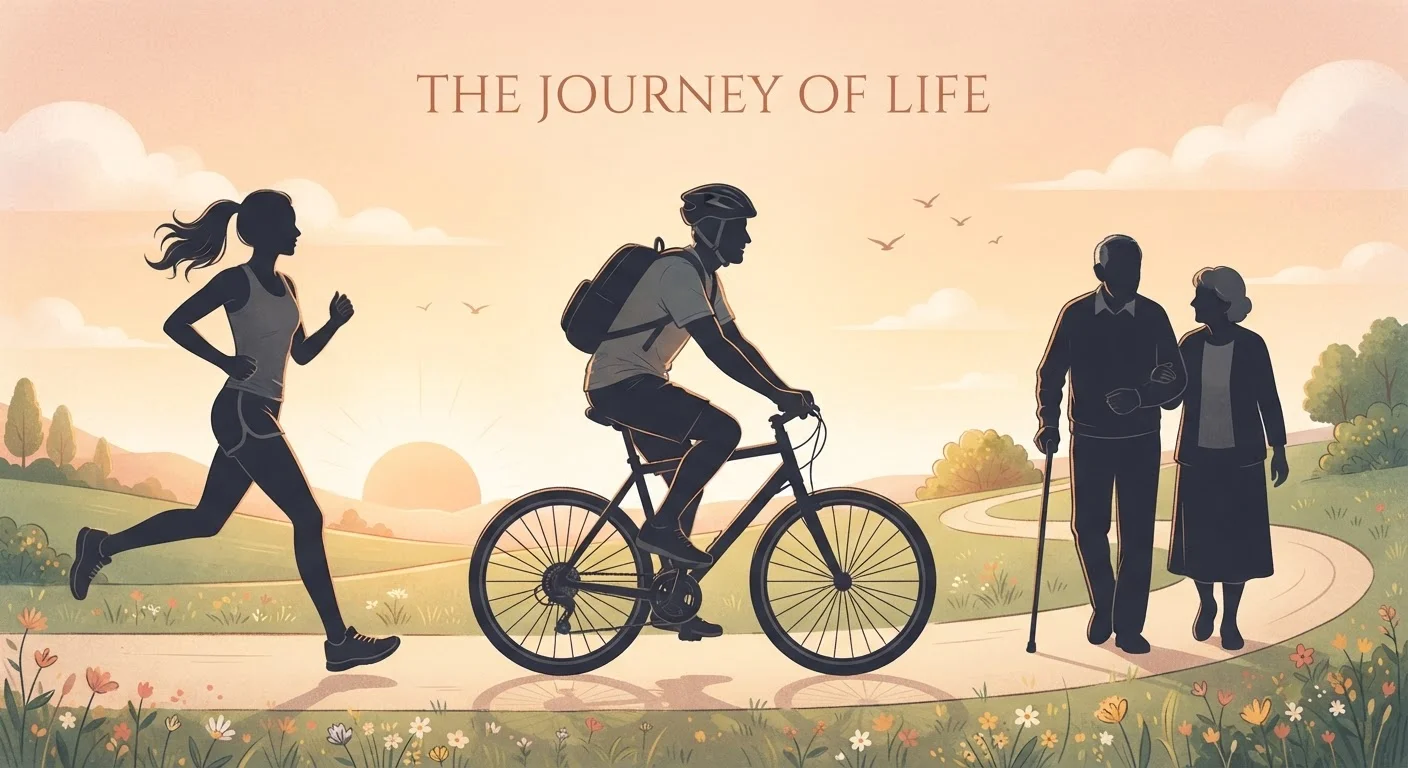
The way the body moves - and what it needs from movement - shifts meaningfully across each decade of life. What keeps a 30-year-old healthy isn't identical to what supports a 65-year-old, and treating all activity the same regardless of age misses a crucial opportunity to stay well long-term.
This isn't about doing less as you age. It's about doing the right kinds of movement at the right times. Research in exercise physiology consistently shows that the body's priorities - building aerobic capacity, preserving muscle mass, maintaining balance, protecting joint function - change in emphasis as we age. Understanding those shifts lets you adapt your habits proactively rather than reactively.
Importantly, this conversation extends well beyond formal workouts. Everyday incidental movement - walking to errands, climbing stairs, gardening - plays an outsized role in long-term health across all age groups.
Movement Priorities by Life Stage
Here's how activity emphasis tends to evolve across the decades, based on established exercise science principles:
20s and 30s: Building the Foundation
Aerobic capacity and muscle mass tend to peak in the late 20s to early 30s. This is the most strategic time to build a broad movement base - cardiovascular endurance, strength, and flexibility - that will pay dividends for decades. Sedentary habits formed now can accelerate decline later, while consistent activity sets a higher starting point for the aging process.
40s and 50s: Protecting What You've Built
Muscle mass begins a gradual decline (a process called sarcopenia) from around age 40 if not actively countered. Resistance training becomes increasingly important, as does maintaining cardiovascular fitness. Recovery also takes longer in this decade, making rest and sleep more strategically relevant. This is also the stage where chronic disease risk - cardiovascular disease, type 2 diabetes, osteoporosis - begins to climb, and consistent movement is one of the most evidence-supported tools for managing that risk.
60s and Beyond: Function, Balance, and Independence
Maintaining functional mobility - the ability to bend, rise from a chair, reach overhead safely - becomes central. Balance training takes on new significance as fall risk increases with age. Public health guidelines for older adults specifically call out balance and flexibility alongside aerobic and strength work. Movement strategies for the later decades deserve their own careful consideration.
Sarcopenia
The gradual, age-related loss of muscle mass and strength. It typically begins in the fourth decade of life and accelerates without regular resistance training.
Aerobic capacity (VO₂ max)
The maximum rate at which the body can use oxygen during exercise. It is a key marker of cardiovascular fitness and tends to decline with age, though regular exercise can slow this process.
Functional mobility
The ability to perform everyday movements - such as bending, rising from a seat, or climbing stairs - safely and without assistance. Preserving functional mobility is a central goal of active aging.
NEAT (Non-Exercise Activity Thermogenesis)
The energy expended through all physical movement that isn't formal exercise - including walking, fidgeting, housework, and standing. NEAT contributes significantly to overall daily activity levels.
Balance training
Exercises specifically designed to improve the body's ability to maintain stable posture during movement. It becomes increasingly important with age as fall risk grows.
Daily Movement as the Constant Thread
One principle holds true across all decades: consistency outperforms intensity. A person who walks 20 minutes daily for years accumulates far greater health benefit than one who exercises intensely for short periods and then stops. Evidence consistently supports steady daily habits over sporadic bursts of effort when long-term vitality is the goal.
Daily movement habits - not just gym sessions - are the backbone of active aging. Low-intensity movement woven into daily routines can preserve joint function in ways that isolated exercise sessions alone cannot replicate. And as the body ages, functional mobility exercises become as important as any structured workout.
Social context matters too. Group exercise has measurable wellbeing benefits beyond physical fitness, particularly in later decades when social connection becomes a significant health factor in its own right.
This article provides general health information for educational purposes only and is not a substitute for personalized medical advice. Always consult a qualified healthcare professional before starting, changing, or stopping any exercise program - especially if you have existing health conditions, injuries, or are in a special population such as pregnancy or older adulthood.